Choosing the Right Exhibition Stand: 2026 Guide
Did you know that 81% of trade show attendees have direct buying authority? When you’re choosing the right exhibition stand for your 2026 events, you aren’t just selecting a backdrop; you’re investing in a high-performance tool to capture that audience. We understand the pressure of the exhibition floor. You want the prestige of a bespoke build but often find yourself battling the high costs of one-off custom frames and the frustration of graphics that crease or look cheap under harsh hall lighting. It is a common struggle to balance visual impact with the logistical reality of heavy, complex equipment that causes unnecessary stress during setup.
This guide provides the clarity you need to master trade show displays and move beyond the limitations of traditional builds. You’ll discover how to select a stand that offers the premium look of a custom installation whilst maintaining the flexibility of a modular system. We will examine the technical benefits of Silicone Edge Graphics (SEG), the importance of durable materials, and how to calculate the true total cost of ownership for your brand. By the end of this article, you’ll have a clear roadmap to creating a professional, reusable presence that drives results without the logistical nightmares.
Key Takeaways
- Learn how to align your stand choice with specific business goals whilst navigating the critical differences between shell scheme and space-only environments.
- Master the art of choosing the right exhibition stand by evaluating the trade-offs between portable pop-ups and sophisticated, reusable modular systems.
- Discover why Silicone Edge Graphics (SEG) and illuminated fabric lightboxes are essential for achieving a premium finish that outshines traditional vinyl displays.
- Understand the total cost of ownership by planning for long-term logistics, including ease of transport in an estate car and the ability to update graphics for future events.
- Identify the performance benefits of UK-manufactured extrusions over budget imports to ensure structural reliability and perfect colour consistency across your entire display.
Defining Your Objectives and Exhibition Space Requirements
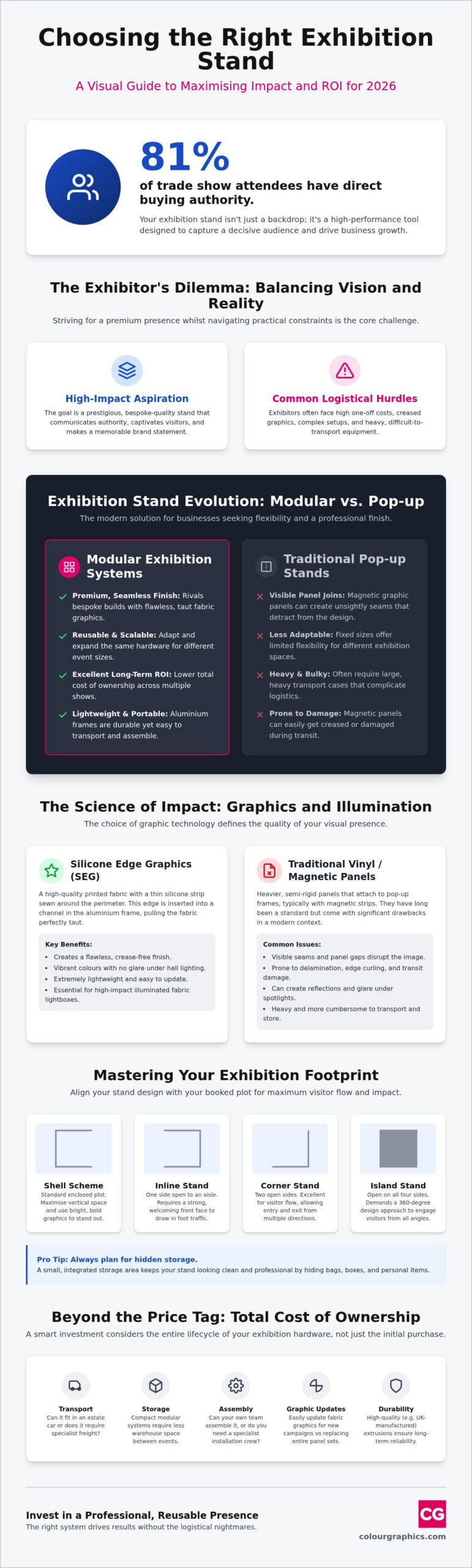
Success on the trade show floor begins long before the first crate arrives at the venue. Before you start choosing the right exhibition stand, you must define exactly what a “win” looks like for your business. Whether you’re chasing high-volume lead generation or establishing authority through brand awareness, your hardware must reflect that intent. A minimalist, high-impact Silicone Edge Graphic (SEG) wall creates a different psychological environment than a stand packed with product demonstration pods and interactive counters.
You also need to consider your schedule. Are you planning a one-off appearance at a major event, or are you embarking on a multi-show national tour? For those on a tour, durability and ease of assembly are paramount. You’ll want a system that can survive repeated transit without showing wear. We see many brands overlook the “total cost of ownership” by focusing only on the initial purchase price, failing to account for the logistical costs of heavy, one-off custom builds that require specialist handling.
Aligning Stand Type with Marketing Goals
Your marketing objectives dictate the structural requirements of your display. For brand awareness, visibility is king. Utilising height and large-format fabric graphics ensures your message cuts through the visual noise of a crowded exhibition centre. If lead capture is your priority, your stand should incorporate modular counters and integrated point-of-sale areas. These elements provide a professional space for staff to engage visitors and collect data. Applying core exhibit design principles ensures that your stand isn’t just a pretty picture; it’s a functional business asset that guides the visitor’s journey from curiosity to conversion.
Navigating the Exhibition Floor Plan
The physical plot you’ve booked significantly influences your design choices. In the UK, most exhibitors start with a standard 3×3 shell scheme provided by the organiser. These are cost-effective but can feel cramped if not managed correctly. Choosing the right exhibition stand for a shell scheme involves maximising the vertical space without blocking the entrance. It’s about precision and impact within a fixed footprint.
For space-only plots, you have more freedom but also more responsibility. Corner stands with two open sides are excellent for improving visitor flow, allowing people to enter and exit from different angles. Consider these layout factors:
- Inline stands: Only one side is open to the aisle, requiring high-impact front-facing graphics to stop foot traffic.
- Island plots: Open on all sides, these demand a 360-degree design approach to ensure no “blank” spots.
- Storage: Every professional stand needs a small, hidden storage area for brochures and staff bags.
A cluttered stand looks amateur and dilutes your brand message. By planning for “dead space” early, you maintain a clean, inviting environment that encourages meaningful professional dialogue whilst keeping your essentials out of sight.
Evaluating Exhibition Stand Types: From Pop-ups to Modular Systems
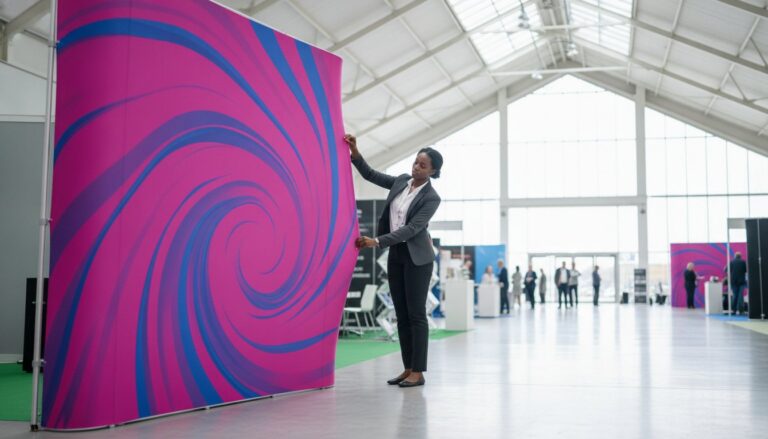
The landscape of event hardware has shifted dramatically. Whilst the traditional roller banner still has its place, choosing the right exhibition stand in 2026 involves looking at systems that offer more than just a flat surface for a logo. You need a solution that bridges the gap between a basic portable kit and an expensive custom build. Pop-up stands have long served this middle ground, using a concertina frame and magnetic graphics. They provide a large graphic area at a competitive price point, but they can suffer from visible panel joins and heavy transport cases that complicate logistics for smaller teams.
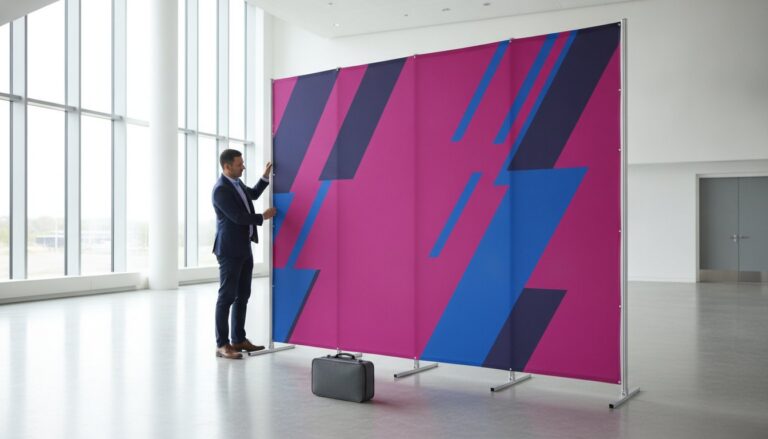
Modular exhibition stands have emerged as the superior choice for businesses seeking maximum ROI. These systems use aluminium extrusions to create a rigid, high-end framework that rivals bespoke builds in appearance. The real value lies in their adaptability. You can start with a compact setup for a local trade show and expand the same hardware into a large-scale island plot for an international exhibition. This scalability ensures your investment remains relevant for years rather than months. Before committing, evaluate your team’s capabilities. If you want to avoid the cost of professional contractors, prioritise self-build systems that utilise tool-free connectors.
The Versatility of Modular Fabric Displays
Modern modular frames are engineered for flexibility. You can reconfigure the same components to fit a variety of plot sizes, ensuring you never look out of place whether you’re in a corner or an inline space. Updating your marketing message is also remarkably cost-efficient. You don’t need to replace the entire system; you simply swap the fabric graphics for a new set of high-definition prints. These frames also support integrated accessories like TV mounts and shelving, allowing you to create a fully functional brand environment. If you’re ready to upgrade, our modular fabric displays offer the perfect blend of precision and ease.
Portable Solutions for Fast-Paced Exhibiting
For supplementary impact or smaller networking events, lightweight solutions remain essential. Tension fabric backwalls have largely superseded traditional pop-ups for many brands because they are lighter and the graphics don’t crease during transit. When paired with premium roller banners, they create a professional presence that fits into a standard estate car. For a deeper look at smaller formats, our banner stand guide provides detailed insights into choosing the best auxiliary displays for your 2026 calendar.
The Science of Impact: Materials, Graphics, and Illumination
Material choice dictates the perceived value of your brand the moment a visitor steps into the hall. When choosing the right exhibition stand, you aren’t just buying a frame; you’re selecting the canvas for your brand story. High-gloss PVC banners might be cost-effective, but they often struggle with glare from overhead spotlights, making your text difficult to read. Polyester fabric displays offer a sophisticated, matte finish that absorbs light, ensuring your graphics remain legible from every angle. Rigid substrates like Foamex or Dibond provide incredible durability, yet their weight and size can turn logistics into a nightmare. In 2026, the focus has shifted toward high-performance textiles that offer both visual depth and operational ease.
Understanding Silicone Edge Graphics (SEG)
SEG systems have revolutionised the way brands present themselves. By sewing a thin silicone strip into the perimeter of a tension fabric graphic, we enable a perfectly flat, borderless appearance when tucked into our UK-manufactured extrusions. This “drum-tight” finish eliminates the sagging or creasing often seen with older velcro or magnetic systems. Silicone Edge Graphics represent the professional standard for modern trade shows, providing a flawless finish that traditional pop-ups cannot match. For marketing teams, the benefit is clear: graphics can be swapped in minutes without tools. This allows you to tailor your message for different audiences or update specific product panels with zero downtime.
Illuminating Your Message
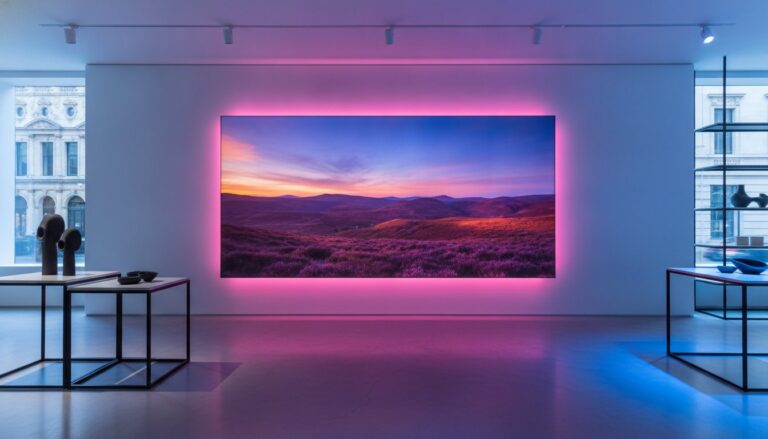
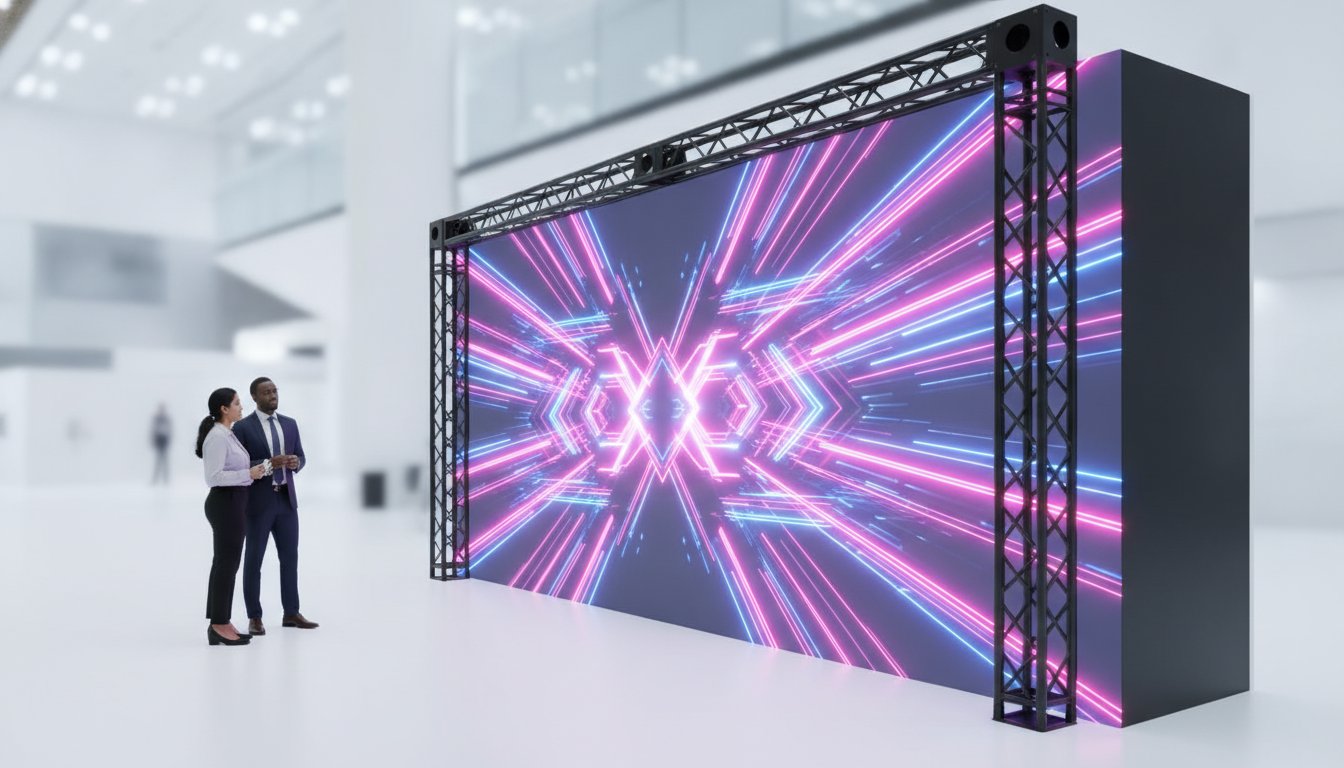
Light is one of the most powerful tools in your arsenal. In a vast, often dimly lit exhibition centre, a standard front-lit display can easily fade into the background. Fabric lightboxes solve this by using internal LED arrays to saturate the polyester fibres with light from behind. This results in vibrant colours and deep blacks that a standard print simply cannot replicate. The psychology is simple; human eyes are naturally drawn to the brightest point in a room. By integrating freestanding lightboxes into your modular stand, you create a focal point that commands attention. Backlit graphics don’t just look better; they communicate authority and innovation, positioning your brand as a leader before a single word is spoken.
Logistics and Longevity: Planning for Transport and Assembly
Logistics often determine the true ROI of your event calendar. When choosing the right exhibition stand, you must consider the “hidden” costs like drayage, storage, and repeat shipping. A heavy, bespoke timber build might look grand, but the venue handling fees and specialist transport requirements can quickly exceed the initial purchase price. In 2026, sustainable exhibiting means moving away from the “build and burn” culture where stands are skipped after a single use. Reusable aluminium frames offer a lifecycle that spans dozens of events, significantly lowering both your environmental footprint and your cost per lead.
Durability is another critical factor for longevity. Graphics that scuff, fade, or crease after one show are a poor investment. Fabric-based systems have gained popularity because they are inherently more resilient than traditional vinyl. They can be washed, folded, and stored without the risk of the permanent delamination or “edge curl” that plagues cheaper roll-up displays. This resilience ensures your brand looks as fresh at the end of a national tour as it did on the first morning of the first show.
Transport and Storage Solutions
Aluminium extrusions provide a superior strength-to-weight ratio compared to plastic alternatives, ensuring your stand remains stable in high-traffic areas. However, these professional systems still require proper management to maintain their finish. High-quality wheeled transit cases are non-negotiable for national exhibiting. They protect your investment from the rigours of courier networks and make moving through venue loading bays efficient. Fabric graphics are particularly resilient; if you fold them correctly, they remain scuff-free and vibrant. Unlike rigid panels, a full-wall fabric display can often fit into a standard estate car, giving you the freedom to transport your own kit without expensive van hire.
Assembly Without the Stress
The setup process should never feel like a construction project. The “tool-free” revolution has transformed how marketing teams operate, with modern modular stands using intuitive locking mechanisms. This allows a small team to build a high-impact environment in under an hour without hiring specialist contractors. For those working within a tight shell scheme, high-impact graphics remain the ultimate low-effort solution. If you require more structural, rigid options for specific branding zones or outdoor displays, our guide to foamex board printing details how to utilise PVC signage effectively.
Precision engineering ensures your display stands the test of time and remains easy to manage. Explore our range of portable exhibition stands to find a solution that balances professional durability with logistical ease.
Specifying Your Display: Why High-Quality Print and Frameworks Matter
Choosing the right exhibition stand is ultimately a technical exercise in quality control. Whilst the design creates the initial impact, the engineering of the framework and the precision of the print determine if that impression lasts. Budget imports often compromise on the alloy quality of their aluminium extrusions, leading to frames that warp or connectors that fail under the pressure of a multi-day event. Investing in UK-manufactured hardware provides the structural integrity required for high-traffic environments, ensuring your display remains perfectly aligned from the moment the doors open until the final visitor leaves.
Colour consistency is another area where specification matters. If your roller banners, fabric lightboxes, and counters are produced in different facilities using varied ink sets, your brand identity will suffer. A centralised manufacturing process ensures that your corporate colours remain uniform across every element of the stand. This meticulous attention to detail prevents the “patchwork” look that can occur when components are sourced from multiple low-cost vendors.
The Advantage of UK Manufacturing
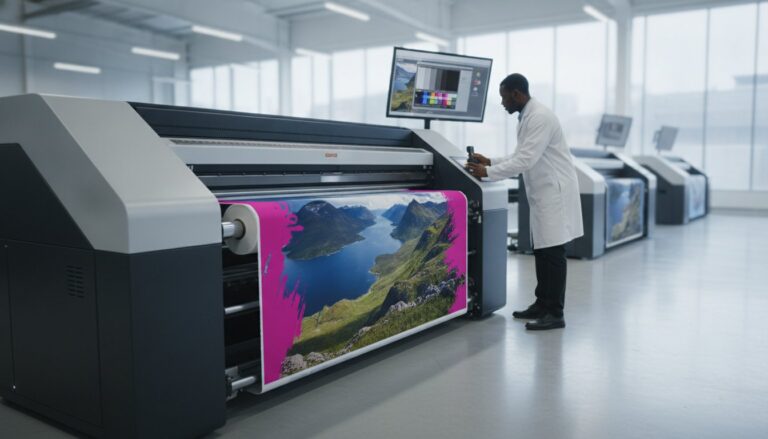
Sourcing your hardware and graphics from a UK-based manufacturer drastically reduces lead times, which is vital for managing last-minute event requirements or sudden brand updates. It also allows for tighter quality control over large format digital printing. When your production team is in the same facility as your finishing department, maintaining the highest standards of craftsmanship becomes the default. This level of precision is equally important when you’re integrating point of sale printing into your exhibition space, ensuring your retail-focused displays match your main stand graphics perfectly. To ensure your handouts meet the same high standards, Corporate Gift Printing provides custom-designed corporate gifts that align with your overall brand aesthetic.
Before you sign off on your production order, you must verify the technical specifications that venues demand. Professionalism is found in the details that visitors might not consciously notice but would certainly miss if they were absent. Follow this checklist to ensure compliance and longevity:
- Fire Retardancy: UK venues require valid fire retardancy certificates for all display materials. Ensure your fabric and rigid substrates meet the necessary BS standards or international equivalents like NFPA 701.
- Graphic Resolution: To maintain clarity for close-up viewing, your artwork should be a minimum of 150dpi at full physical size. Anything lower will result in visible pixelation that undermines your brand authority.
- Cable Management: Specify extrusions that allow for internal cable routing. Exposed wires are a trip hazard and a visual distraction that breaks the immersive experience.
- Professional Finishing: Whether it’s precision hemming for fabric displays or high-spec silicone strips for SEG systems, the “finish” dictates how well the graphic tension is maintained over time.
By focusing on these technical benchmarks when choosing the right exhibition stand, you secure a high-performance asset that delivers peace of mind and consistent results across every show on your 2026 calendar.
Elevate Your Brand Presence for 2026
Success in the exhibition hall is built on a foundation of technical precision and strategic planning. By focusing on modularity and high-impact Silicone Edge Graphics, you ensure your brand doesn’t just occupy space but commands it. We’ve explored how the shift toward reusable aluminium frames and illuminated fabric lightboxes provides a professional finish whilst significantly reducing your total cost of ownership. Choosing the right exhibition stand is about more than just a single event; it’s about investing in a versatile asset that evolves alongside your marketing objectives.
At Colour Graphics, we combine decades of family-owned expertise with modern innovation to provide peace of mind for every show. Our UK-manufactured SEG extrusions and high-definition fabric printing ensure your display meets the most rigorous professional standards. With national delivery available for all event deadlines, we act as your proactive partner to ensure your kit arrives on time and in perfect condition. Ready to transform your trade show strategy? Explore our range of premium exhibition stands and SEG displays today and prepare to make a lasting impression on your audience.
Frequently Asked Questions
What is the difference between a shell scheme and a space-only stand?
A shell scheme is a pre-built modular box provided by the event organiser, typically including basic walls, carpet, and a name board. In contrast, a space-only plot is literally just floor space on the hall map. Whilst shell schemes provide a convenient starting point for choosing the right exhibition stand, space-only plots offer the creative freedom to build bespoke or large-scale modular environments. Most UK exhibitors use shell schemes for standard 3×3 plots to simplify their logistics.
How far in advance should I order my exhibition stand?
We recommend ordering your display hardware at least four to six weeks before your event date. Whilst our UK-based manufacturing allows for rapid turnaround on fabric printing, complex modular frames require time for precision engineering and quality checks. Early planning also ensures you have ample time to verify your artwork and perform a test build at your own premises. National delivery schedules can become congested during peak exhibition seasons, so securing your slot early provides essential peace of mind.
Can I update the graphics on my modular stand for different events?
Yes, updating your graphics is one of the most cost-effective ways to manage a multi-event calendar. Modular systems are designed so the frame remains a permanent asset whilst the fabric skins are replaced as your marketing message evolves. You can easily swap individual panels for specific product launches or regional promotions without purchasing new hardware. This versatility ensures that choosing the right exhibition stand pays dividends over several years of active use across different trade shows.
What is an SEG exhibition stand and why is it popular?
An SEG exhibition stand uses Silicone Edge Graphics, where a thin silicone strip is sewn into the perimeter of a tension fabric print. This strip is tucked into a recessed groove in our UK-manufactured aluminium extrusions to create a perfectly flat, borderless finish. It’s popular because it eliminates the visible joins and sagging associated with traditional pop-up displays. The result is a high-end, bespoke appearance that remains lightweight and remarkably simple for marketing teams to assemble themselves.
Do I need professional installers for a modular exhibition stand?
Most modern modular systems are specifically engineered for self-build, so you don’t typically need professional installers. We focus on providing tool-free connectors and intuitive assembly processes that allow your own team to erect a professional display in under an hour. This approach gives you total control over your event schedule and eliminates the high cost of external contractors. Since we don’t offer on-site installation, we ensure our frames are straightforward and manageable for any professional team.
How do I transport a large exhibition stand to the venue?
Transporting a large display is much simpler with modular components than with one-off custom builds. Most of our aluminium frames and fabric graphics are designed to pack down into compact, wheeled transit cases that protect the hardware during national delivery. These cases are sized to fit into a standard estate car or a small van, allowing you to bypass expensive freight services. Always ensure your graphics are folded correctly to maintain their high-definition finish throughout the journey.
Are fabric exhibition stands better than PVC ones?
Fabric displays are generally superior for modern exhibiting due to their sophisticated matte finish and logistical benefits. Unlike PVC, polyester fabric absorbs light to prevent glare from overhead hall spotlights, ensuring your message remains legible. Fabric is also much lighter and can be folded or washed, whereas PVC is prone to creasing, scuffing, and “edge curl” over time. For high-impact branding, fabric lightboxes offer a level of colour saturation that traditional PVC banners simply cannot match.
What are the fire safety requirements for exhibition graphics in the UK?
All materials used in UK exhibition halls must comply with strict fire safety regulations, typically requiring a fire retardancy certificate to BS5867 or equivalent standards. Venue marshals have the authority to perform on-site flame tests and can remove any graphics that don’t meet these requirements. We ensure our fabric displays and rigid substrates are fully certified for professional use. Always keep digital copies of your certificates ready to present to the event organisers during the build phase.