How to drive sales using retail merchandising techniques
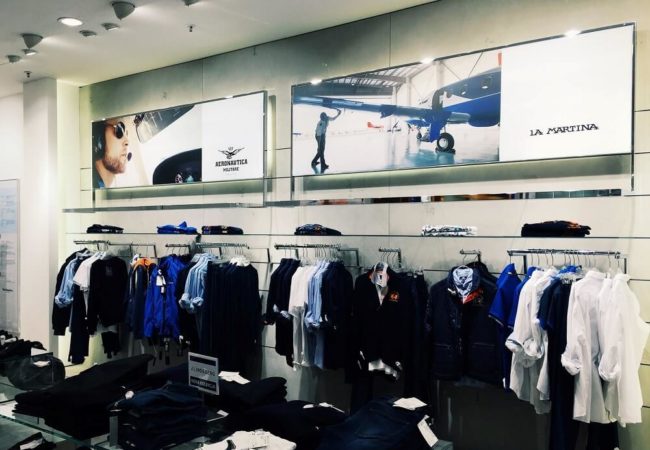
A simple act of
poster printing
and
offering the customer a powerful experience as
they enter the store can be an
effective
merchandising technique.
However, nearly half of
all customers change their mind about a purchase
because
of something they see in the store.
This means it
is as easy to get retail merchandising wrong, as it is
to
get it right. Here we offer some advice
on
retail merchandising, some essential rules to tip the
scale in your favour.
Your customer takes a journey around your store
Retail locations are under pressure to make the
customer
journey as streamlined as possible. The
shopper
needs a positive experience.
This is the age of
Amazon, and your customer can buy anything they want
with
a few clicks of the mouse.
Consequently, you need
to increase the pressure for more instant
gratification
than next day free delivery to the door.
Your customers will come instore for two reasons. First,
they want the product now. They have decided it is
essential and they
want it in their hands without
delay. Second, they want to interact with the
product
and therefore, experience value from the trip to the
store.
Therefore, your first task is to ask: is there a way to
make
this visit an experience? Is it possible
for
your customers to physically interact with the product
before purchase?
Create a product narrative and keep it consistent
Product branding and storytelling are essential to
the
success of your shop. Not only do you
need
to sell the retail location but also connect with your
other
channels. Find a way to make your social
media
channels interact with your bricks-and-mortar store. You
can use all sorts of smart technical
options to
interact with your customer’s phone as they make a
journey around
your store.
The branding you use online should carry over into the
store. The point is to sell a consistent image that
the
customer will recognise. Any
disconnect will seed
doubt into the mind of the customer and so
potentially
lose the sale.
Know why they didn’t buy from you
The issue of consistency is one reason why a customer
didn’t
buy. However, there may be others. The
more you understand about why the
customer
didn’t make that final commitment to your product,
the more you can
remove the barriers in their way.
It
might be that the customer finds more connection
with a competitor. It could be that the journey from the
shelf
to the till allows too much time for the
customer to doubt the purchase. You need to find the
holes in your selling funnel
and then find a way to
patch these up.
Eye-level is the buy level
If you are seeking to place your brand into a large
retail
outlet, then you need to
negotiate
for premium shelf space. You may be
excited that your brand has been
accepted into the bigger stores and that they
have
ordered thousands of units.
However, if they are
not placed correctly in the shop, it could be a
one-off
purchase. The difference in
sales for some products
on the eye-level shelf compared to the bottom shelf
is
87%.
Check you are on-trend
There is no fighting the truth that some retail bricks
and
mortar shops have no place on the high street
anymore. The online battle has been fought, and the
physical
shop has lost. There is no
point being the lone
voice in trying to reverse this trend. You need to
research the retail merchandising
trends and work
with these, going with the grain. You need to satisfy
the customers’ needs if
you wish to be
successful in the retail space.
One exercise that all brands should undertake is
research
into the merchandising techniques of
leading competitors. Look at exciting POP displays and
seek
inspiration for your store.
Reliability matches consistency
The qualities of a top merchandiser are consistency
across
channels
and
security of supply. You need to
avoid out of stocks for the sake of
your reputation. It is not that you have lost the
immediate
sale. You have lost the returning
business
of a customer who had bothered to choose you. It is hard
to win new customers, so you
should cherish the
opportunity to serve those that do buy with you. You
should seek to nurture the relationship,
and any
out of stock moment will jeopardise this relationship.
If you wonder how large operations manage multiple
stock
lines without losing track, checkout
retail merchandising software
and hardware.
This will allow you to know the state
of your stock instantly and act instantly
on any
shortages.